- 02092915437
- info@apin.org.ng

As part of its Silver Jubilee celebrations, APIN chose to mark 25 years of service not only through commemorative events but also through meaningful acts of kindness that reflected the heart of its mission, serving people and strengthening communities. Across its state offices, staff came together to organize outreach activities that extended compassion and support…

As part of its Silver Jubilee celebrations, APIN proudly launched Catalyst of Wellness, a commemorative publication that captures the organization’s remarkable 25-year journey of transforming lives and strengthening health systems across Nigeria. More than just a book, Catalyst of Wellness serves as a living archive of APIN’s legacy, documenting the milestones, partnerships, innovations, and achievements…

The celebration of APIN’s 25th anniversary reached a memorable climax with a spectacular Gala and Award Night, an evening dedicated to honouring individuals, teams, and partners whose commitment and excellence have shaped the organization’s remarkable journey over the past 25 years. Bringing together staff, partners, government representatives, alumni, and distinguished guests, the event was filled…
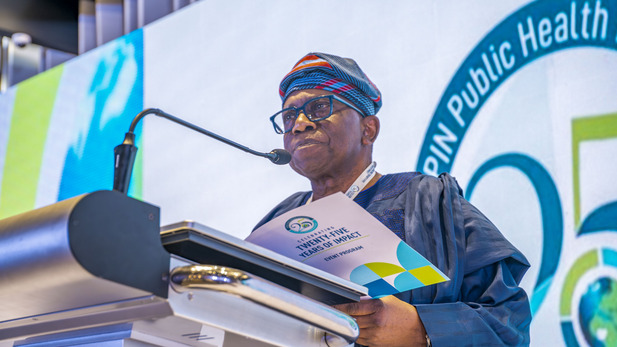
APIN marked a significant milestone with a commemorative symposium celebrating 25 years of advancing public health, strengthening health systems, and transforming lives across Nigeria. The event brought together government representatives, development partners, healthcare professionals, researchers, staff, and stakeholders to reflect on the organization’s remarkable journey and its vision for the future. The symposium served as…

On International Women’s Day, we celebrate the strength, resilience, and achievements of women across the world. At APIN Public Health Initiatives, this day is an opportunity to recognize and appreciate the incredible women who continue to drive impact, champion health equity, and transform lives through their dedication and leadership. From laboratories and clinics to communities…

What does it take to build a health system capable of delivering quality healthcare and improved nutrition outcomes across every state and Local Government Area (LGA) in Nigeria? For APIN Public Health Initiatives, the answer lies in strong government leadership, aligned partnerships, and the strategic use of data to drive measurable progress. Reinforcing collaboration with…